Wednesday, March 30, 2016


Throughout this entire book, we find symbols or connections to when or maybe why Billy Pilgrim time travels. We find a lot of symbols like the candle light, water and even people help him move from time to time. He connects the feelings of people he loved or places he has been before.

In Slaughterhouse-five, Kurt Vonnegut is writing about his life. He uses his book to express his feelings and ideas of past. While reading this book, I find it odd how Billy time travels to the past but relates all to the future. Throughout the book, the people and places he introduced all connect back to a “memory”. For example, his daughter is a big character in the story. She comes into the story a few times. In the beginning of the story we see that she is taking care of her father. Later in the book, in chapter 3, Billy tells us of the night before her wedding, the alien Tralfmdorians plan to come take him away. Why do you think Billy pilgrim thinks they take him away the night of Barbra’s wedding?
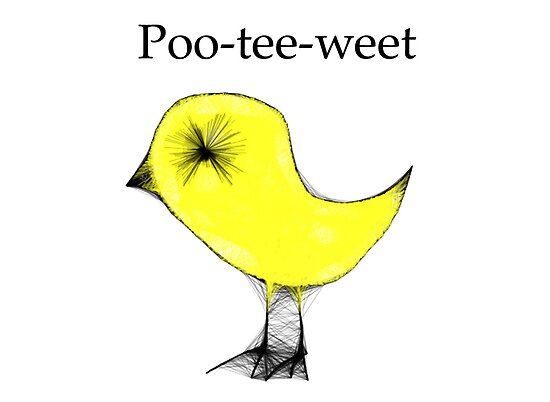
Another symbols, Kurt Vonnegut adds to the book is the bird. Throughout the book the only big event the bird comes in is at the end of the book. Kurt Vonnegut adds the end in the first chapter to make the reader think. What does a bird cheapening have to do with the story? Every metaphor, connection and symbol in this book is presented the same throughout the book.

While Billy Pilgrim is traveling through time, he connections points through times in my own life. Why do you think Billy makes connections to hard times like war or at home? When Billy time travels he usually goes to his “happy place." Just like if a little kid is getting a shot from a needle, they think of something happy and look the other way.

As I'm reading this book, it reminds me of a big allusion. What is real and what is all in Billy’s heads?  Billy is time jumping through the past, present and future and shares important moments that happened to him throughout his life. Piece by piece we pick up and connect the pieces like a puzzle. He is sharing his life in different parts of his life. He connects each story to a different event in his life. It’s as if he is telling us

 What is the significance of these metaphors? Why didn’t Kurt Vonnegut write the book in order of Billy’s life?


Tuesday, March 29, 2016


Does Billy pilgrim really time travel? In Kurt Vonnegut's book, Slaughter-House Five, Billy pilgrim is 'looking bad" at war. time travel is nothing but an allusion to Billy. He believes all this is really happening. When Billy hits his head for the second time, he came up with the idea that he is traveling through time. also that the alien Tralfamadorians have kidnapped him and have him captured in their space ship.

Time travel to Billy is just his happy place when he gets scared or remembers a scary time in his life. On page 44 Billy is underwater and hears beautiful music play. Loosing conciseness he lets the music play and he "time jumps" to 1965. In 1965, to visit his mother in nursing home. Visiting his moms takes his mind off what's really going on. From there he moves place to place "in time". When he time travels to another place no one really knows what is real life or all in Bill's head. The "aliens" or in real life the Germans use his fear to keep him trapped "in time". 

The effect "time travel" puts on Billy pilgrim is extreme. He believes these events are really happening. That he is "looking bad" to a past event. The time travel makes his memory's to war or time with his family seem real. The alien Tralfamadorians are in this case his friends. They "kidnap" him and show him different times in his life. The Tralfamadorians replace the fear with a memory or false event he goes to. Slaughter-house five, emphasizes throughout the book how Billy Time Travels every time a bad situation or event happens.

Throughout the book, we can connect pieces together to figure out what happened throughout Billy's life. Billy travels to different times in his life from birth to death. What do you think this statement, "Billy Pilgrim has come unstuck in time." means to you? Does Billy ever become stuck in time?  


First Chapter: Slaughter-house five


What was Kurt Vonnegut's purpose of adding the first chapter? Many seem to ask after reading it and realizing it isn't even the start to the story.
The first chapter is Kurt Vonnegut introducing the theme and why he wrote the book. Kurt had trouble remember events from the war and a few friends help him write the book.

Why do you think Kurt wrote the first chapter? Slaughter-house five by Kurt Vonnegut has a confusing concept to grasp. The information is twisted and everything is out of order in the book. In the book Kurt writes the first chapter to explain the story a little more. He explains it to give us an idea what the story will be about. But what else made Kurt Vonnegut write the first chapter?
In the novel, the first chapter is used to give people an understanding of the story. It tells us how he came up with the idea for the book. It helps provide information and theme before the book even starts. It gives us information who Billy pilgrim is and how it all connects. it makes us understand how hard it was for Kurt to write the book and "looking back" on war. Characters and events in the book are introduced to know where they came from.

Also if you didn't notice Kurt writes, "This one is a failure, and had to be since it was written by a pillar of salt." What does he mean by this? In the beginning of the chapter he talks about asking his friends to help him write this book. He can't remember what happened during the war because of a plane crash incident. He writes this because he believes this book is a failure since he looked back on war.
If the first chapter was to introduce our story, why did Kurt Vonnegut reveal the ending at the end of the chapter? The ending makes the reader think about the ending. It draws the reader in to make them wonder what events are in between. Vonnegut writes this first chapter to make us think deeply on what he means. Adding the ending to the mix is the start to a story. This whole book is a metaphor to something else and his theme is how he would to 'look back' on war or "the past". poo-tee-weet?